 Talk to a Sage Intacct Expert
Design starts with the operating model
Nonprofit & Social Services
Grant and program reporting
Energy, Utilities & Oil & Gas
Follow the work to the asset, and the asset to the report.
Energy producers, utilities and oil and gas organizations do not share one operating model. They share one question that shapes the finance design: which work becomes an asset, which is operating cost, and which entity carries it.
Operational work, Project / Cost, Capitalization / Expense, Asset / Entity, Reporting
Capital or expense: the decision behind every report.
Choose a sector and a piece of work. The path shows where it goes: through a project or work order, to an asset or to operating cost, and into the entity and the reports.
Build a new solar site
Capital
Cost accumulates as construction in progress, then becomes an asset when the site is placed in service.
Replace a turbine gearbox
Depends on policy
A major component replacement is often capitalized because it extends the asset’s life. Your capitalization policy decides.
Routine inspection and maintenance
Expense
Operating cost for the period, coded to the site and the asset it maintains.
Extend a distribution line to a new subdivision
Capital
A capital project that creates an asset. Any customer contributions need their own treatment.
Repair a main after a break
Depends on policy
Usually an operating repair. Replacing a section of the main may be capital. Your policy draws the line.
Meter replacement program
Capital
A capital program of many small assets, tracked by program, area and year.
Drill and complete a well
Capital
Capital under your chosen accounting method, which also decides how exploration costs are treated.
Workover to restore production
Depends on policy
Often expensed, but some workovers add reserves or extend life. Policy and evidence decide.
Pipeline integrity inspection
Expense
Operating cost, coded to the asset, field and entity that carry it.
Examples only. Your capitalization policy, accounting method and auditors decide the treatment.
Three sectors, three operating models.
Energy
Generation and renewables: sites and assets, power purchase or market revenue, construction programs and long asset lives.
Utilities
Regulated or municipal services: large networks of assets, capital programs, customer billing and regulatory reporting.
Oil & Gas
Wells, fields and facilities: partners and operators, production, capital programs and specialist land and production systems.
Sage Intacct in this operating model
Capital programs, assets and entities under one financial control.
Sage Intacct multi-entity accounting, project accounting, purchasing and fixed assets carry the capital program from work order to asset, while dimensions keep every cost tied to its site, asset and entity. Specialist operating systems connect wherever the work is captured.
- Multi-entity and consolidationOperating companies, project entities and partnerships reported alone and together.
- Project accountingCapital projects and programs with budgets, commitments and cost to date.
- Fixed assetsCompleted projects become assets, depreciated under your policy.
- Purchasing and AP AutomationOrders, receipts and invoices tied to work orders and projects.
- DimensionsSite, asset, field, program and entity on every transaction.
- Integrations and dashboardsWork, operations and production systems connected through the API; capital program dashboards for executives.
How Biviti configures it
We design entities and dimensions around sites, assets and programs, configure projects and fixed assets for the capital lifecycle, set the capitalization rules with your accountants, and connect operating systems as reconciled feeds.
Explore Sage Intacct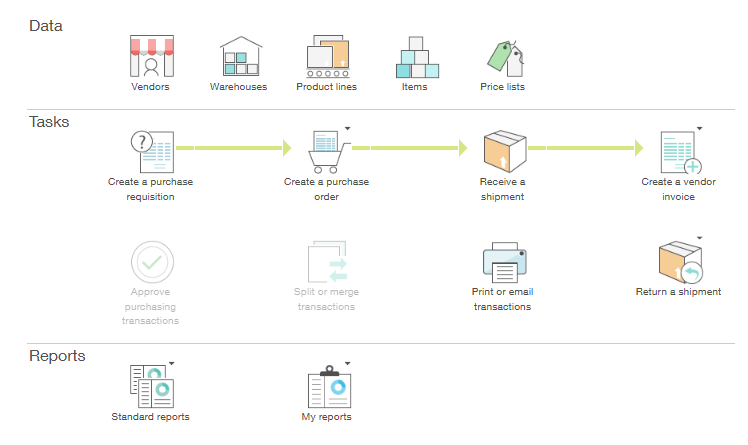

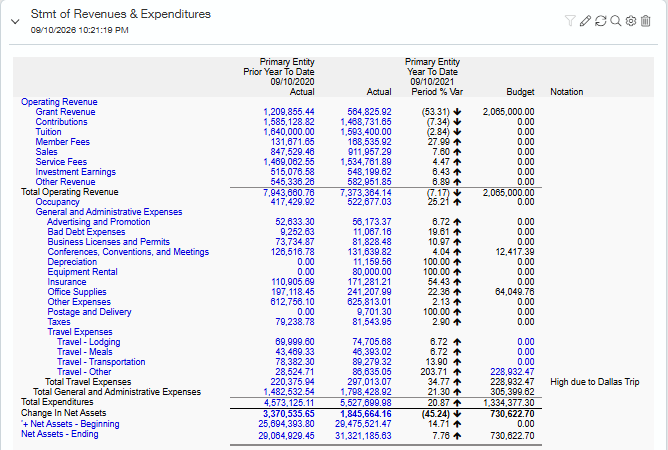
Actual Sage Intacct interface. Demo data shown. It can be customized for your organization.
How the solution fits together
- Configurable sequence
- Foundation, used throughout
- Cross-cutting capability
- Integration boundary
- Reporting and insight
Reporting and insight
Integrations can connect here, and at any point
Capital work to asset
- 01Work order or capital project
- 02Commitments and cost
- 03Capitalize or expense decision
- 04Asset placed in service, or operating cost
- 05Entity and management reporting
Branches and loopsPolicy reviews and audit adjustments can move cost between capital and expense.
Foundation, configured once and used throughout
Specialist systems capture the operation. Sage Intacct controls the finance.
Work, operations, meter and production platforms hold operational detail that finance should not duplicate. Sage Intacct controls the financial workflow, applies the entity, site and asset structure, automates approvals, allocations and close where appropriate, reconciles each feed and turns it into capital program and entity reporting. Specialized upstream, meter or regulatory functions are validated before anyone assumes the general ledger performs them.
- Work and asset managementWork orders, maintenance history and asset condition.
- Operations and control systemsProduction, flows and operating data.
- Meter data and customer billingFor utilities: consumption, rates and customer accounts.
- Land, joint interest and production accountingFor oil and gas: partner interests, joint billing and revenue distribution.
Entities, allocations and procurement
- Entity structures
- Operating companies, project entities, partnerships and holding companies, each reporting alone and together.
- Allocations
- Shared field, facility and overhead costs allocated to assets, projects and entities with a documented driver.
- Procurement
- Purchase orders and contracts tied to work orders and capital projects, so commitments are visible by program.
- Currencies
- Where operations or partners cross borders, currency becomes part of the entity design from the start.
- Which work management, operations or production systems feed finance today?
- Where is the line between capital and operating work, and who applies it?
- How do capital programs move from project cost to assets in service?
- Which entities, partners or currencies must report separately and together?
- Which regulatory reports must be validated before choosing where they are produced?
Connect operations, assets and reporting.
Talk to a Sage Intacct specialist about your entities, capital programs and operating systems.